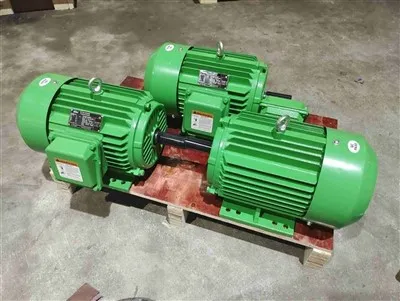

Three-Phase High-Voltage AC Motor Usage Tips
Dec 13, 2025
Safe and standardized operation is crucial for the use of three-phase high-voltage AC motors. The following are key usage tips compiled from authoritative sources:
Power-Off Operation: Before performing any wiring, inspection, or maintenance work, the main power switch must be disconnected, and the lockout and tagging (LOTO) procedure must be followed, displaying a "Do Not Operate" warning sign to ensure the motor is completely de-energized.
Phase Sequence Check: After initial power-on or wiring, a no-load test run should be performed, focusing on checking if the motor's rotation direction meets the requirements. If the direction is reversed, simply swap the positions of any two power input lines while the power is off to change the direction.
Starting Method Selection: Due to the high power of high-voltage motors, direct starting will generate a huge inrush current, which is generally not recommended. A suitable starting method should be selected based on the load characteristics and grid conditions:
Soft Starter Starting: This method smoothly regulates the voltage using components such as thyristors, achieving a steady increase in current and torque, effectively reducing the impact on the power grid and machinery.
Variable Frequency Drive (VFD) Starting: Controls motor speed by changing the power supply frequency, achieving smoothest start and stop, and precise speed adjustment during operation. It is the most comprehensive and promising method.
Star-Delta Starting: Suitable for motors with stator windings connected in delta during normal operation. The windings are connected in a star configuration during startup to reduce voltage; once the speed increases, they are switched to delta operation.
Autotransformer Starting: Utilizes an autotransformer to reduce starting voltage and current; after startup, it returns to full voltage operation.
Operation and Maintenance
Environmental Requirements: Ensure the motor is installed in a well-ventilated, dry, and clean environment, avoiding high temperatures, humidity, dust, and debris blockage to ensure good heat dissipation.
Monitoring Operating Status: After the motor starts and reaches its rated operating state, its operating temperature, vibration, sound, and current parameters should be checked regularly. If any abnormalities are found (such as unusual noises, overheating, or severe vibration), the motor must be stopped immediately for inspection.
Avoid Overload: Ensure the motor load is within the rated range. Prolonged overload operation will accelerate insulation aging and shorten the motor's lifespan.